
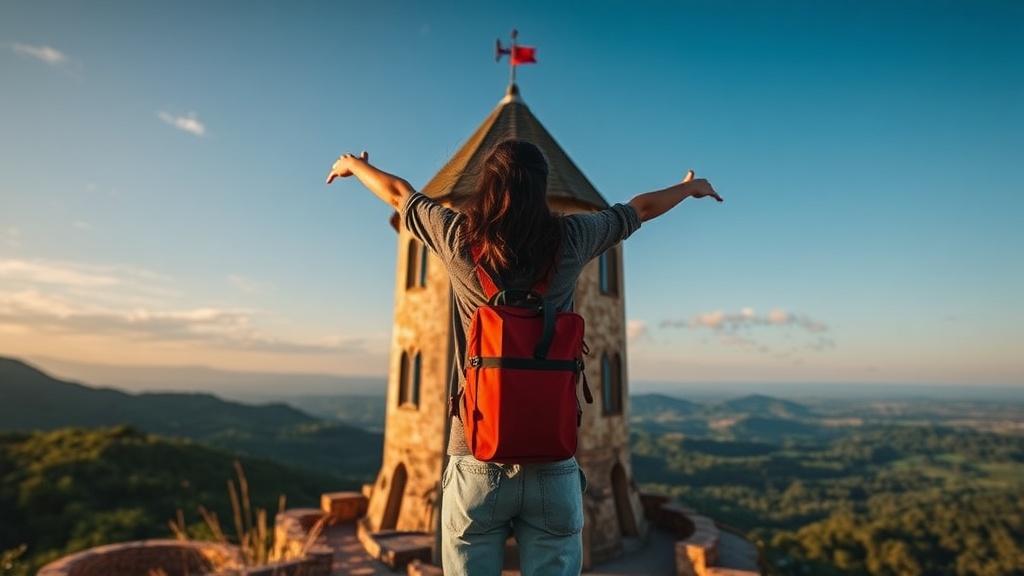
Traveling is not just about visiting new destinations; it’s about living unique experiences and meeting people who open your eyes to different cultures. For many travelers, hostels are at the heart of these encounters. Far from being simple budget accommodations, hostels like Hostel Redstar offer immersive stays that create memories lasting a lifetime.
A New Way of Traveling
Modern backpackers don’t only look for affordable beds anymore; they want a place that feels alive and connected to local culture. Hostel Redstar embodies this philosophy by blending comfort with community-driven experiences such as guided city walks, cooking workshops, and storytelling evenings with locals.
Anecdotes from Travelers
One guest recalled how she arrived at Hostel Redstar in Lisbon during a rainy evening, unsure if she’d enjoy her stay. Within hours she was invited to join a communal dinner where guests cooked traditional Portuguese dishes together. By the end of the night, friendships had formed around shared stories and laughter. Such anecdotes highlight the magic of hosteling: you never quite know what connections await you.
Cultural Experiences Beyond Borders
The beauty of hostel life lies in its ability to connect global travelers while grounding them in authentic traditions. Whether it’s learning how coffee is roasted in Colombia or discovering artisanal fishing practices abroad, every interaction adds depth to your journey.
An inspiring example is understanding sustainability through traditions like Pêche traditionnelle et durable au Royaume-Uni Exp, which reflects how communities preserve both environment and heritage at once. These insights enrich one’s travels far more than any guidebook ever could.
Practical Tips for an Enriched Stay
- Join planned activities: From bike tours to music nights, organized events are perfect icebreakers.
- Cook together: Many hostels have shared kitchens – preparing meals as a group reduces costs and sparks conversations.
- Ask locals for advice: Hostel staff often know hidden gems well beyond tourist maps.
- Pace yourself: Hosteling thrives on spontaneity – leave space for unexpected adventures.
The Global Perspective on Hostelling
The rise of boutique-style hostels shows that today’s traveler values both style and social experience. Platforms like Lonely Planet even publish dedicated guides highlighting inspiring properties worldwide. This evolution illustrates how accommodation itself has become part of storytelling during any trip.
Sustainability Meets Hospitality
Sustainable travel is becoming non-negotiable among conscious explorers. Many hostels now implement eco-friendly practices: solar energy use, zero-waste kitchens, or community clean-up projects involving guests directly. According to recent studies published by organizations such as UNWTO (World Tourism Organization), small-scale initiatives at lodgings play a massive role in reducing tourism’s footprint globally.
Telling an Authentic Hostel From a Party Factory
Not every place with “hostel” on the door is interested in local culture. Some are essentially bars with bunks, and that is fine if that is what you want, but it is not what this article is about. The signals are easy to spot once you have stayed in a few. An authentic hostel is usually smaller than sixty beds, is run or managed by someone who lives in the town, and has a noticeboard covered in things that are not the hostel’s own events: a farmers’ market on Saturday, a choir that welcomes visitors, a fisherman who takes people out at dawn for the price of fuel.
Look at the activity list with a sceptical eye. “Pub crawl every night” tells you the hostel makes its margin on drinks. “Tuesday: dinner at Maria’s, bring 8 for ingredients” tells you the owners know their neighbours. Ask one question when you arrive: “Where do you eat when you are not working?” The answer, and how quickly it comes, tells you almost everything about the place.
- Staff who are locals or long-term residents, not a rotating cast of volunteers on a two-week swap.
- A kitchen that is used, with pans that have clearly seen action and a spice shelf that guests have built up over time.
- Events priced at cost, or free, rather than sold as packages.
- Quiet hours that are actually enforced, because people here have a train to catch or a hike to start.
A Week at Red Star, as It Really Happened
To make this concrete, here is what an ordinary week looked like for a group of guests last spring. Monday, four of them who had never met walked the coastal path to the fort together because the desk had drawn the route on a paper map. Tuesday, the same group took the early bus to the fishing village down the coast, ate grilled sardines standing up at the harbour, and were back in time for the communal dinner. Wednesday it rained, so someone taught everyone a card game from their grandmother’s village, and the afternoon vanished.
By Thursday two of them had bought bus tickets for the same next town, and by Sunday the whole table had a shared list of places to sleep along the coast, written by hand on the back of a laundry receipt. None of this was on the hostel’s website. It cost each of them roughly the price of two dinners out. That is what “authentic” means in practice: not a curated experience you buy, but a week that assembled itself around a table.
Budget for Experiences, Not Just Beds
The single most useful habit we have seen in long-term travellers is separating the bed budget from the experience budget. The bed is the fixed cost; it is the experiences that decide whether you remember the town. Rough ranges to plan around: tip-based walking tours are usually rewarded with 5 to 15 per person; a cooking class run by a local family tends to sit between 25 and 50 including the meal; a day’s bicycle hire is often 10 to 20; a shared taxi or minibus to a nearby village, split four ways, comes to a few coins each.
Set aside a modest daily amount for these and treat it as spent. If it is still in your pocket at the end of the day, you probably said no to something. And when the hostel proposes a paid activity, ask what proportion goes to the person running it — a good hostel will answer without hesitation, because the answer is “almost all of it.”
The Spirit of Adventure Lives On
If there’s one thing staying at places like Hostel Redstar teaches us, it’s that adventure doesn’t end when you return from sightseeing—it continues every time you step into common spaces filled with travelers from all over the globe. Sharing cultures, ideas, and sometimes even future travel plans makes each stay unforgettable.
Your next hostel journey might be less about where you sleep—and more about who you meet along the way!
Read next: Best Places to Stay in Costa Rica: Choosing a Base That Fits Your Trip