
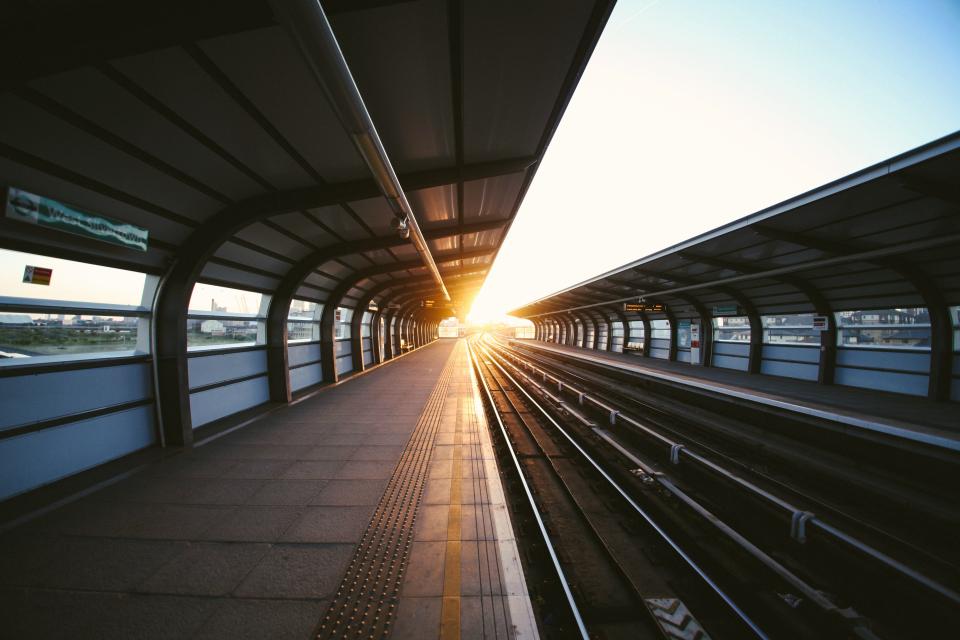
Hostel life is a strange and wonderful mix of chaos and clarity. One moment, you’re checking departure times and packing socks. The next, you’re sitting on the curb outside a closed train station, wondering what comes next.
A Missed Train, a Chance Encounter
I was supposed to catch the 7:42 to Prague. My ticket was booked, my bag packed. But breakfast turned into a long conversation. And then a misread platform sign. And then the sound of the train pulling away without me.
I could’ve been angry. Instead, I walked back to Red Star Hostel, my home base for the week. That’s when I met Eli, an artist from Tel Aviv, sketching the street view on a napkin.
We ended up talking for hours—about Berlin’s layered history, hostels as creative spaces, and the beauty of getting lost. He told me about his experience with Jewish Tours Berlin, a walking tour that goes far beyond textbooks. He said it helped him reconnect with stories his grandfather used to tell.
When Plans Go Wrong, Stories Begin
What I learned that day is this: the best hostel memories don’t come from perfect planning. They come from unexpected pauses. From missed connections that make room for human ones.
We explored Kreuzberg on foot. We ate street food and wandered into secondhand bookstores. I forgot my train altogether.
The Hostel as a Portal
Red Star Hostel wasn’t just a place to sleep. It was a magnet for the kind of people who see the world sideways. Travelers who linger. Artists who listen.
And the next morning? I didn’t rebook my train. I stayed two more nights. I spent one of them on the roof, journaling under city stars.
What Missing a Train in Europe Actually Costs
Since that morning I’ve missed two more trains, and I’ve learned that the damage depends almost entirely on the kind of ticket in your pocket. A flexible or full-fare ticket usually lets you board the next departure on the same route without paying anything; you just walk on and show it. A discounted advance fare, the kind most backpackers buy because it is a third of the price, is tied to one specific train, and missing it means buying a new ticket. On a regional route that is a few euros. On a long-distance connection like Berlin to Prague, a same-day walk-up fare can run to several times what you paid originally.
Before you buy the new one, go to the counter rather than the machine. Tell the agent plainly that you missed the train and ask what your options are. On several networks, a missed connection caused by a late train earlier in the chain gets you rebooked for free, and some agents will quietly apply a cheaper fare to the next slow train if you say you’re not in a hurry. The one time I did this in Berlin, the difference between the machine price and the counter price was about the cost of two hostel nights.
- Check the ticket conditions before you travel, not after; the word “non-flexible” or a specific train number printed on the ticket is the tell.
- Keep the original ticket. If you were delayed by a previous train, it is your proof for a refund claim.
- Look at buses. On the Berlin–Prague corridor the coach is slower but often cheaper than a last-minute rail fare, and it leaves from the same part of town.
How to Build a Day Out of Nothing
The day with Eli felt like luck, but the shape of it is something you can repeat on purpose. We didn’t open a guidebook. We picked one neighbourhood, one anchor point inside it, and then walked without a route. The anchor that day was a flea market Eli wanted to sketch; everything else, the street food, the bookstores, the canal we sat beside for an hour, came from turning left instead of right.
The hostel staff are the second ingredient. When I told the receptionist I’d missed my train, she didn’t offer sympathy; she offered a list of three things she would do on an unplanned Tuesday. Front-desk people live in the city you are passing through, and the question “what would you do today?” gets a better answer than “what should tourists see?” Set a budget for the day that is roughly what you would have spent on the train anyway, and treat it as already gone. That stops the small spending decisions from feeling like losses.
Leave your bag in the hostel luggage room. Wandering with twelve kilos on your back turns curiosity into endurance within an hour.
The Practical Side of Staying Longer
Extending a stay is easier than it sounds, but timing matters. Hostels release beds to the booking sites at fixed times, usually in the morning, so if you ask before ten you will almost always get to keep your bunk. Ask at noon and you may be moved to another dorm or told the place is full for the night, even though it was empty at breakfast. Extending at the desk is also usually a little cheaper than rebooking online, because the hostel avoids the booking-site commission.
My two extra nights at Red Star cost about the same as the replacement train ticket would have. That is the calculation nobody makes on the station platform, and it is worth making: the ticket buys a city you haven’t seen yet, the nights buy the one you are standing in.
Keep Plans Light. Keep Curiosity Heavy.
When you’re traveling through Europe, things will go wrong. Trains will be missed. Hostels will overbook. But if you let it, the chaos makes room for something deeper.
If you’re looking for other stories like mine, or inspiration to travel slowly, check out Atlas Obscura, a treasure trove of strange and beautiful places.
So, miss your train. Talk to strangers. Sketch something. You’ll get where you’re going eventually. Or maybe somewhere better.