
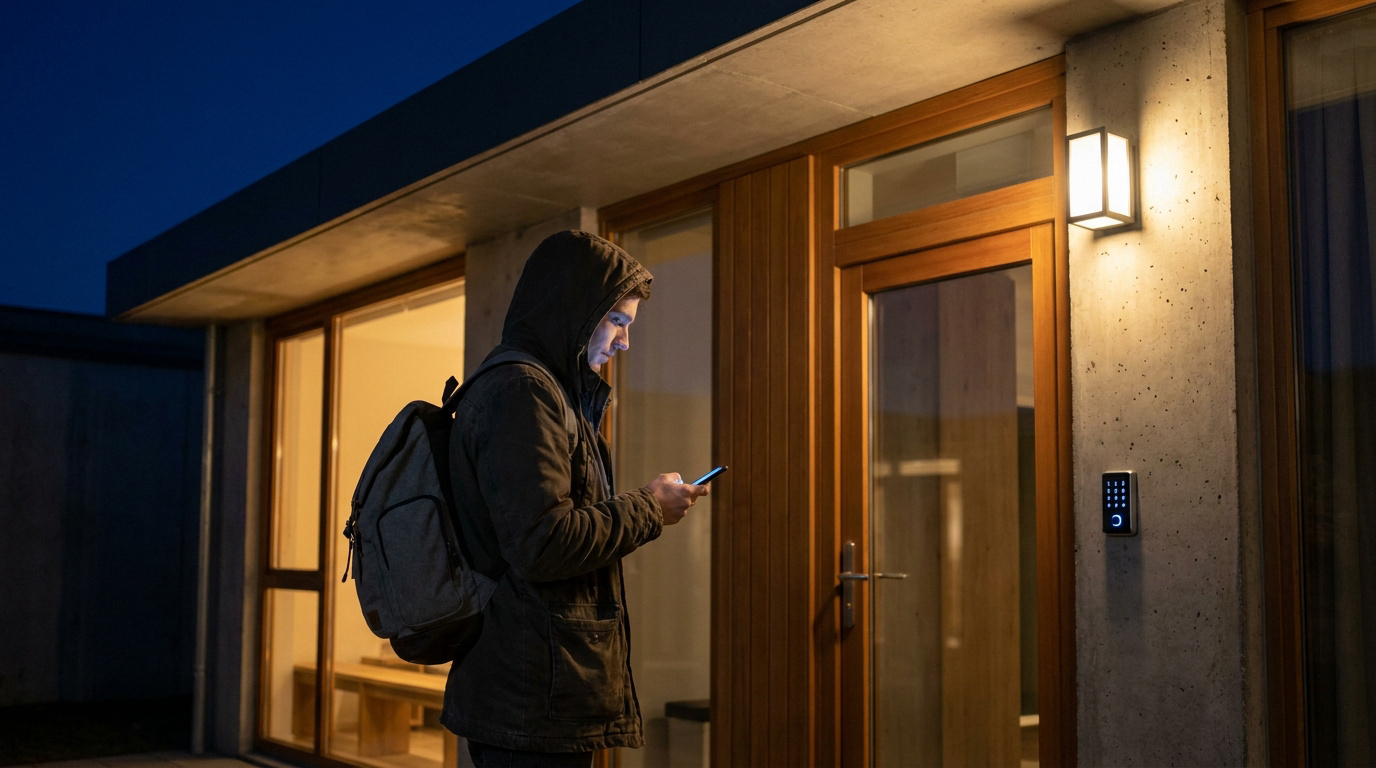
Key takeaway: Secure late hostel arrivals by notifying staff via WhatsApp or booking apps before 6 PM to prevent automatic no-show cancellations. While large hubs offer 24-hour reception, many modern European hostels now use digital key codes or lockboxes. Always save entry instructions offline to ensure access if mobile data fails or reception is closed upon arrival.
Most modern hostels in major urban hubs have replaced traditional 24-hour reception desks with automated digital key codes or lockboxes to manage guest entries. But what happens when your flight is delayed and you find yourself standing before a locked door in a silent street?
Getting stranded after midnight is a common travel nightmare that can lead to automatic no-show cancellations and the loss of your deposit. We will look at how to secure your arrival using smart communication and offline tools so you never have to search for emergency shelter in the dark.
- Understanding Hostel Late Check In Procedures and Policies
- 3 Steps to Secure Your Bed Before You Land
- What to Do When the Front Door Stays Locked?
- Mastering Late Night Dorm Etiquette
Understanding Hostel Late Check In Procedures and Policies
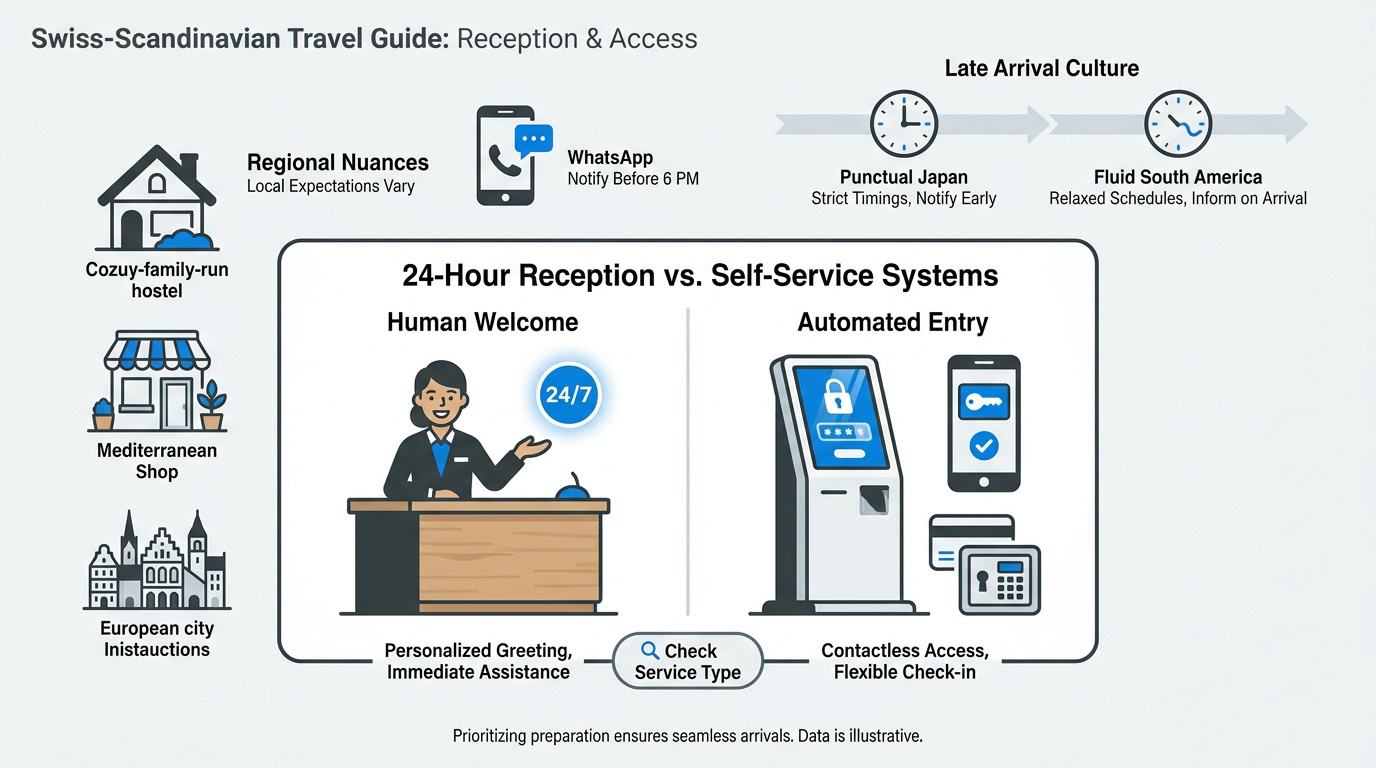
Secure late hostel arrivals by notifying staff via WhatsApp or app messaging before 6 PM. Most modern hostels use digital key codes or lockboxes, replacing traditional 24-hour reception desks in European urban hubs, distinguishing between human welcome and automated systems.
I’ve seen it a thousand times: travelers assuming every front desk stays awake for them. It is a gamble. You need to distinguish between the massive chains with 24-hour staff and the boutique spots using automated entry. Always check the service type before booking.
Digital codes are the new standard in modern European city hostels. You usually receive a PIN via email to unlock a keypad or lockbox. Strong emphasis here: save that code offline before you land, or you are stuck on the sidewalk.
Large party hostels usually have staff available all night to handle the chaos. Conversely, smaller, tech-focused spots prefer automated entry to keep overhead low. It is a simple trade-off between a human face and digital efficiency.
Staffed desks handle immediate issues like lost reservations right then and there. Automated systems require offline access to codes but offer total 24/7 flexibility. You lose the personal help, but you gain freedom from the clock.
Regional Differences in Late Arrival Culture
Family-run hostels in Europe operate on a totally different heartbeat than large chains in Asia. Smaller European spots might close doors early, sometimes by 10 PM. These regional nuances dictate whether you have a bed or a bench.
In Mediterranean countries, you might find keys left with neighboring shops or bars. It sounds casual, but it works. Just verify the shop’s closing time first, or you will be locked out alongside the shopkeeper.
Urban hostel systems rely heavily on tech like apps and QR codes. Rural areas are different; they might rely on physical keys hidden in pre-arranged spots near the entrance. It is old school, but effective if you follow the instructions.
Cultural expectations matter when Arriving After Midnight: What to Do When the Hostel Desk Is Closed. In Japan, punctuality is strictly enforced, and latecomers might be turned away. In South America, reception hours are fluid but require a direct WhatsApp confirmation.
3 Steps to Secure Your Bed Before You Land
Communication is your first line of defense against a cancelled booking. Moving from understanding the systems to taking concrete action ensures you won’t be left stranded at 2 AM.
Effective Communication Channels for Delays
WhatsApp is often faster for urgent updates than traditional email. Managers in Southeast Asia and Europe use it for direct contact. It bypasses slow servers during travel.
Use the booking platform’s internal messaging system too. This creates a paper trail for disputes. It ensures the hostel cannot claim you were a no-show later on.
Call the property directly when crossing time zones. Voice confirmation is foolproof. It eliminates delays caused by spotty internet or unread messages.
How to Prevent Automatic No-Show Cancellations
Understand the standard midnight cancellation policy. Many systems flag guests as no-shows automatically. Your bed might be sold to a walk-in guest if you are late.
Request a late check-in guarantee with specific phrasing. Ask clearly: “Please hold my bed, I arrive at 2 AM.” Get a written confirmation. This protects your prepaid deposit from being forfeited.
Verify your credit card on file is active. Expired cards trigger automatic cancellations during late processing. A valid card is your security.
Digital Preparation for Offline Access
Save entry codes and maps in offline storage. Use screenshots or dedicated apps. Do not rely on airport Wi-Fi which often fails during peak hours.
Losing access instructions is a major risk. Battery death is a real threat. Keep a physical backup of the hostel’s emergency phone number in your wallet.
Download local maps for the specific neighborhood. Finding a small hostel door at night is challenging. Offline GPS works without a data plan.
What to Do When the Front Door Stays Locked?
Even with perfect planning, you might face a locked door, requiring immediate troubleshooting and a solid backup plan.
Immediate Steps for a Closed Front Desk
Search for hidden lockboxes or intercom systems near the entrance. Look behind planters or under mailboxes. Staff often leave keys in secure safes. Check for small keypads that might be poorly lit at night.
Check recent digital messages for last-minute code changes. Hostels sometimes update security after sunset. Refresh your email one last time using mobile data if possible.
Identify common spots for instructions. Look for taped notes on the glass door. Sometimes the night porter’s number is listed there. Use the intercom button repeatedly before giving up.
Finding Emergency Accommodation or Waiting Spots
List criteria for choosing safe 24-hour cafes. Look for bright lighting and other travelers. Transport hubs like train stations often have heated waiting areas and security.
Contact booking platform support for relocation help. They can sometimes reach the hostel owner when you cannot. Explain that you are stranded outside. They might authorize a refund or book a nearby hotel room for you.
Suggest using last-minute hotel apps. If the hostel is unreachable, prioritize safety over cost. A cheap hotel nearby is better than sleeping on the street. Check-in immediately to rest.
Mastering Late Night Dorm Etiquette
Once you finally get inside, the challenge shifts to being a respectful guest in a room full of sleeping strangers.
Entering Shared Spaces Without Waking Everyone
Use red-light headlamps to navigate. These preserve your night vision and do not wake others. Avoid using your phone’s bright flashlight directly in people’s faces.
Locate your assigned bunk first. Use the room map provided at check-in. Wandering around in the dark causes unnecessary noise and confusion for everyone.
Move slowly to minimize floorboard noise. Old hostels have creaky doors that need a gentle touch. Close the door fully but quietly. Hold the handle down to avoid the loud clicking sound of the latch.
Managing Luggage and Personal Gear Discreetly
Pack a small night-kit beforehand. Keep your toothbrush and pajamas at the top. This prevents you from digging through bags at 3 AM. It saves time and stress.
Plastic bags are forbidden in dorms. The crinkling sound is incredibly loud in a silent room. Use fabric packing cubes instead. They are completely silent and keep your gear organized without disturbing your roommates’ sleep.
Delay full unpacking until morning. Just take what you absolutely need for sleep. Leave your main suitcase locked. Respecting the quiet hours builds good karma with fellow travelers.
Mastering late hostel arrivals requires proactive communication via WhatsApp, securing digital entry codes offline, and practicing quiet dorm etiquette. Notify staff before 6 PM to prevent no-show cancellations and ensure a seamless midnight check-in. Prepare your night-kit now to guarantee a stress-free sleep and keep your travel momentum unstoppable.
FAQ
What is the standard procedure for checking into a hostel late, and how do I manage key box codes?
Hostels typically use automated systems like lockboxes or digital keypads for arrivals after hours. It is essential to contact the property before 6 PM to receive your unique PIN or access instructions via email or messaging apps. Always save these codes in offline storage or take a screenshot, as airport or street Wi-Fi can be unreliable when you arrive at the door.
If you encounter a closed desk, first search for small, secure safes near the entrance, often hidden behind planters or under mailboxes. Brands like Master Lock or Abus are common for these mechanical or Bluetooth-enabled boxes. If the code doesn’t work, check your latest digital messages for sunset updates or use the physical emergency number usually taped to the hostel door.
Are there regional differences in how hostels handle late-night arrivals?
Yes, arrival cultures vary significantly by destination. In European urban hubs, boutique hostels often favor digital kiosks and automated entry, while family-run spots might have strict closing times or leave keys with a neighboring shop. In contrast, large party hostels in Asia or major cities frequently offer 24-hour staffed reception desks for maximum security and flexibility.
Cultural expectations also play a role; for instance, punctuality is strictly enforced in Japan, whereas Mediterranean or South American hostels might be more fluid but require direct phone confirmation. In remote or rural areas, you might even find physical keys hidden in pre-arranged spots rather than high-tech digital systems.
Which communication channels are best for reporting travel delays to a hostel?
For urgent updates, WhatsApp is the most effective tool, especially in Southeast Asia and Europe, as it allows for direct contact with managers. However, you should also message the property through the internal booking platform. This creates a necessary paper trail to protect your prepaid deposit and prevents the system from marking you as a “no-show.”
If you are crossing time zones or facing immediate issues, a direct phone call is the most foolproof method. Voice confirmation ensures that the staff acknowledges your delay and holds your bed, as automated systems might otherwise sell your spot to a walk-in guest after midnight.
What should I do if I arrive and the hostel front door is locked?
Your first step is to check for an intercom button or a doorbell and use it repeatedly, as some hostels have staff sleeping on-site. Look for taped notes on the glass that might list a night porter’s number. If there is no response, refresh your email using mobile data to see if a last-minute security code was sent after sunset.
If you remain stranded, contact the booking platform’s support immediately for relocation help. If the hostel is unreachable, prioritize your safety by finding a 24-hour cafe or booking a nearby hotel via a last-minute app. It is better to pay for a cheap room than to stay on the street; you can document the situation for a refund request later.
How can I enter a shared dorm late at night without disturbing others?
To be a respectful traveler, use a red-light headlamp instead of your phone’s bright flashlight to find your bunk; this preserves everyone’s night vision. Move slowly to minimize noise from creaky floorboards and hold the door handle down while closing it to avoid the loud clicking sound of the latch.
Preparation is key to dorm etiquette. Pack a small night-kit with your essentials at the top of your bag so you aren’t digging through luggage at 3 AM. Most importantly, avoid using plastic bags, as the crinkling sound is disruptive in a silent room; use fabric packing cubes to keep your gear organized and quiet.