
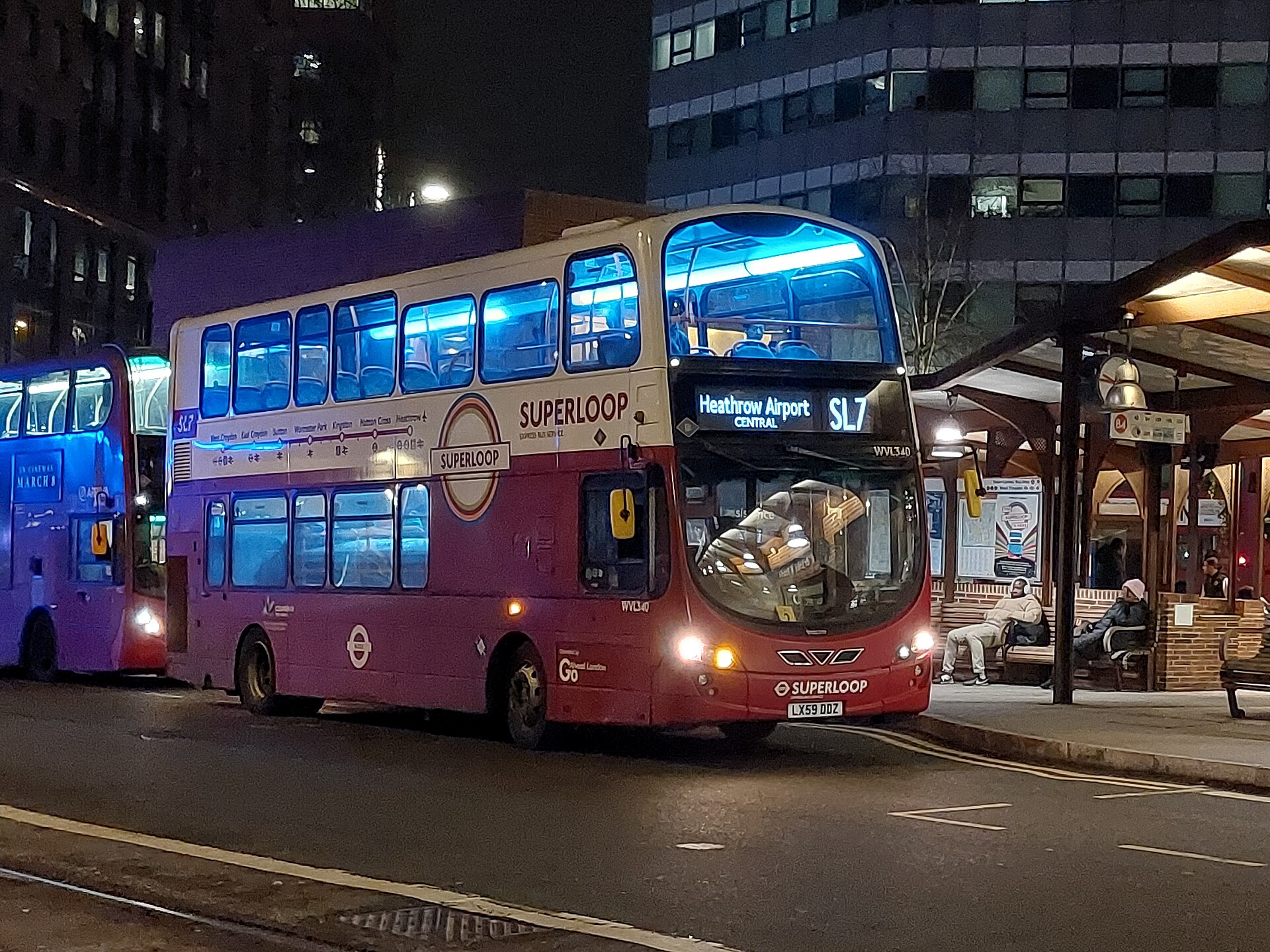
Every backpacker does this calculation at some point, usually at eleven at night in a bus station. A night bus costs about the same as a hostel bed. Take the bus and you save a night’s accommodation and gain a day at your destination. It looks like free money. Sometimes it is. Often it is not, and the difference lies in the parts of the sum people leave out. We have watched a lot of guests arrive at Red Star off an overnight bus, grey-faced and wobbly, and a lot of others arrive fresh from a proper night’s sleep down the coast. Here is the honest math.
The sum everyone does
The basic comparison is simple. Option one: stay a night in a hostel, take a day bus tomorrow, arrive in the evening, stay a second night at the destination. Option two: take the night bus tonight, arrive in the morning, and pay for only the destination night. On paper you have saved one night of accommodation and gained the best part of a day.
In most backpacking regions a night bus and a dorm bed sit in a similar price range, so the direct saving is roughly the cost of one hostel night. That is a real amount of money, and if you do it ten times on a long trip it adds up to something. That is why the night bus has such a hold on the backpacker imagination.
The costs that do not appear on the ticket
Now the parts people forget.
- The early check-in problem: you arrive at six in the morning. Your bed is not ready until two or three in the afternoon. You spend the gap in a cafe, buying coffee and breakfast you would not otherwise have bought, or you pay for an early check-in where the hostel offers one, which is typically a fraction of a night but not nothing.
- The dead day: the day you “gained” is spent by most people in a fog. You wander, you sit, you fall asleep in the common room at three. The day is not really gained; it is spent at half power.
- The food tax: nobody cooks after a night bus. You eat out, you order in, you buy snacks at the station. Over a day that can quietly cost more than the bed you saved.
- The recovery night: many travelers need a second night to properly catch up, and that second night is spent going to bed at nine instead of joining whatever the hostel is doing.
- The health toll: broken sleep lowers your defences. A cold picked up on a cold bus, or a stomach bug from station food, costs days, not hours.
Add these up honestly and the saving on a single night bus often shrinks to very little. On a trip where you do it repeatedly, the cumulative tiredness starts to change what you get out of the places you came to see.
When the night bus genuinely wins
None of this means never take one. There are clear cases where the bus is the right call.
Long distances are the obvious one. If the journey takes ten or twelve hours either way, the day version eats a full day of your life sitting upright in daylight. The night version at least lets you attempt sleep. You were losing the day regardless; the night bus lets you lose the night instead, which is cheaper.
Quality matters enormously. In some countries the overnight coaches are genuinely comfortable: wide reclining seats, blankets, a toilet, a quiet cabin. On those routes many people sleep well and arrive functional. In others the bus is a thin-seated rattling box with the lights on and a film playing. Read what other travelers say about the specific company and route before you assume.
Timing can favour it too. A bus that leaves at eleven and arrives at eight is close to a normal night’s sleep. One that leaves at seven in the evening and arrives at three in the morning is not a night’s sleep at all; it is a nap followed by four hours in a locked bus station. The same distance can be a good idea or a terrible one depending on the timetable.
And if you are a proven bus sleeper, someone who can drop off anywhere, the math shifts firmly in your favour. Know yourself. Some people can; most people think they can.
When the hostel bed wins
The bed wins on any journey short enough to do comfortably in a morning. Four or five hours on a day bus, leaving after breakfast, gets you to the next town by early afternoon with the whole evening ahead of you and a full night of sleep behind you. You have paid for one more hostel night and received, in return, a functional human being.
The bed also wins when the destination is the point. If you have come a long way for a specific place — a coast, a city, a trail to an old fort — arriving broken wastes what you spent to get there. The extra night is cheap insurance on the whole reason for the trip.
It wins when you are traveling solo and arriving somewhere unfamiliar. Landing at dawn in a strange city, tired, with a heavy bag and no bed to go to, is where solo travelers most often feel unsafe or get ripped off. A daytime arrival at a hostel that is expecting you is a calmer, safer thing.
A better way to run the numbers
Instead of comparing ticket price to bed price, compare what a full day of your trip is worth to you. Divide your total budget by the number of days and you have a daily figure. Then ask: does the night bus cost me a day, half a day, or nothing? If it costs you a day of feeling terrible, weigh that against the bed you saved. Most of the time, unless the route is long and the bus is good, the bed is the better deal.
Consider the middle options too. A slower morning bus that stops in a town on the way and splits the journey into two easy halves can be cheaper and better than either extreme. A night train, where one exists, usually sleeps far better than a bus for a modest premium. And sometimes the honest answer is simply to stay one more night where you are, which is the cheapest choice of all if you stop counting places and start counting sleep.
The budget that matters
Money is not the only thing you are spending on a trip. You are spending energy, attention and a limited number of days, and the night bus trades those for cash at a rate that is rarely as good as it looks. Take it when the distance is long, the bus is decent and the timetable is kind. Otherwise, stay in the bed. The gulls at Red Star start early enough; you may as well have slept before they do.