
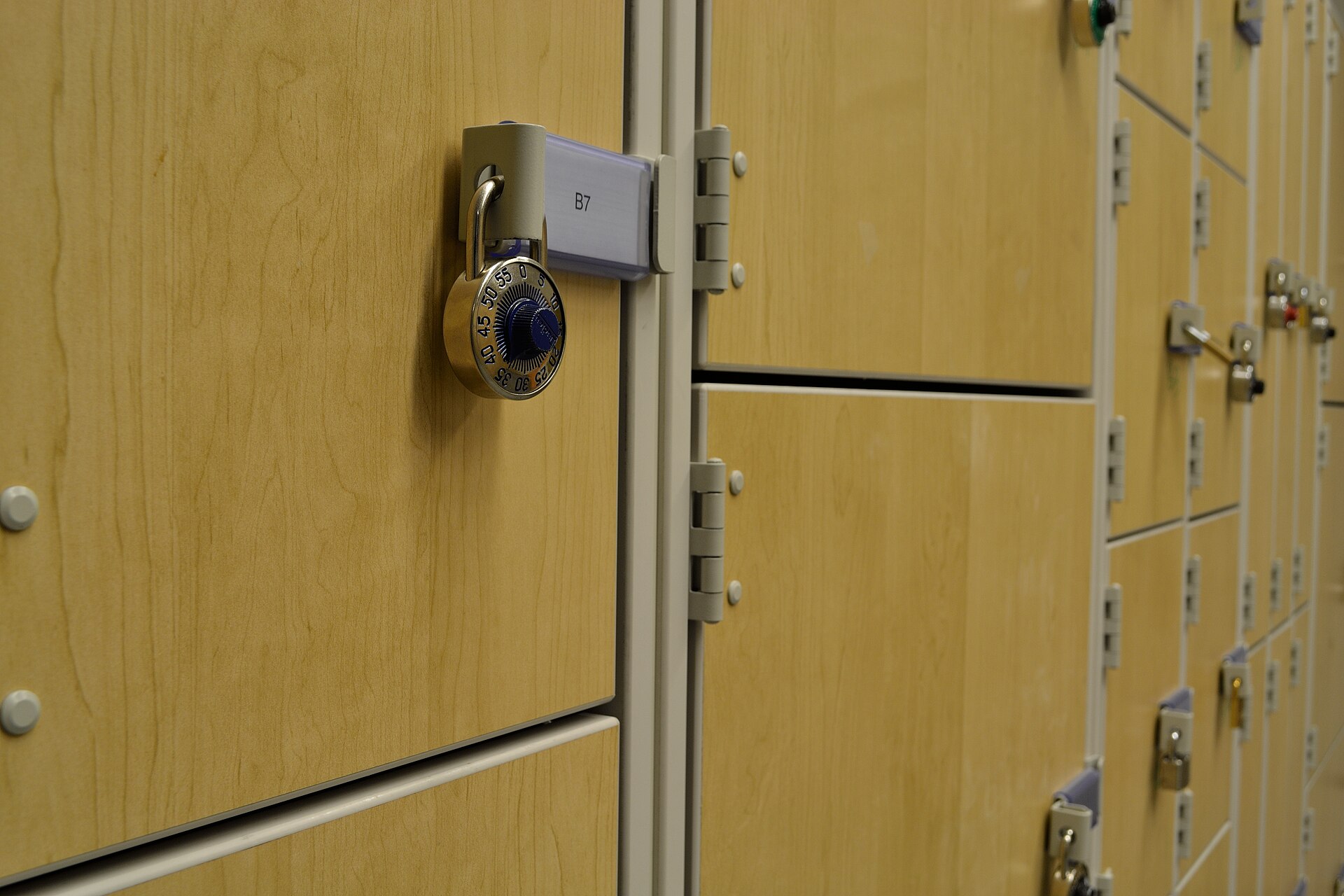
Ask a room of experienced backpackers what they have lost in hostels and the answers are strangely dull: a charger, a towel, a jar of peanut butter, a book they had nearly finished. Ask what was stolen and the room goes much quieter. Real theft in dorms is rarer than nervous first-timers fear and more common than optimistic veterans admit. Here is how we think about it after a lot of nights in a lot of bunks—the hardware, the habits, and the part that no lock can replace.
Understand what you are actually guarding against
Most losses in a hostel are not the work of a professional. They are opportunistic: a phone left charging on a windowsill, a wallet on a bunk while its owner showers, a bag open on the floor with a camera on top. The person who takes it is usually passing through, often leaving that morning, and the item is gone before anyone knows it is missing.
That shapes the strategy. You are not trying to build a vault. You are trying to make your things slightly less easy to take than the things next to them, and to make sure the few items that would genuinely ruin your trip are never left out at all. A lock does the first job. Habits do the second.
Lockers: what to expect and what to check
Lockers vary far more than beds. Some hostels give every bunk a full-height cupboard with a shelf and a socket inside. Others have a cage under the bed, a shared bank of small boxes in the corridor, or nothing beyond a suggestion that you keep your bag close. It is worth checking before you book, and worth a look before you unpack.
- Will your bag fit? Many lockers are built for a day bag, not a 45 litre pack. If not, plan to lock the pack itself and put the valuables in the locker.
- Is there a socket inside? A locker with a plug is the safest place to charge a phone overnight. If there is none, charge it while you are in the room and awake.
- How solid is the hasp? A flimsy tab on a plywood door is a deterrent, not a barrier. Fine for a jumper, not for a passport.
- Do you need your own lock? Usually. Some hostels rent or sell padlocks at the desk for a small charge, but the ones they sell tend to be light and the ones they rent have a history.
If there is no locker at all, ask reception whether they keep a safe or a locked luggage room. Most do, at least for passports and cash, and a good hostel will write down what you handed over.
Choosing a padlock that works
You want two locks, or one clever one. The first is for the locker: a combination padlock with a shackle thin enough to pass through the hasp but long enough to close on a thicker one. The second is for your bag: a small combination lock or a retractable cable that can thread through the zip pulls and, if you are feeling careful, round the bed frame.
Combination beats key every time in a dorm. Keys get lost in the sea, left in trousers that go into the wash, or dropped somewhere in the dark at two in the morning. A four-digit combination lock is light, cheap and good enough to stop the casual opportunist. Set a code you will remember when you are tired and half awake, and do not use the year you were born.
Avoid the very smallest luggage padlocks for anything that matters. They are a signal that a bag is closed, not a way of keeping it that way. On the other hand, a heavy steel lock on a locker that cost less than the lock is theatre. Match the lock to the door.
The habits that matter more than the hardware
Split your valuables. Passport and most of your cards in the locker or the hostel safe; one card and a day’s cash in the day bag; a small emergency stash somewhere odd, like a zipped pocket inside the pack. If one of the three goes, the trip survives.
Keep a small pouch for the things you take everywhere—phone, wallet, earbuds, key—and make it a reflex that the pouch goes into the shower cubicle with you, hangs off the bunk hook while you sleep, and sits on your lap on the bus. The moment a valuable is out of sight and out of reach, it is at risk, however friendly the room.
Photograph your passport, cards and any prescriptions and keep the images somewhere you can reach from any device. Write the emergency number for your bank in the notebook, not just in the phone. And do a two-minute sweep of the bunk before you check out. The single most common way to lose a charger is to leave it in the wall.
Trust is the point, not the risk
It would be easy to read all this and arrive at a hostel clutching your bag. Please do not. The vast majority of the people you will share a dorm with are just as tired, just as careful and just as honest as you are, and the whole reason hostels work is that strangers extend each other a little faith. The person who watches your laptop while you make tea is the same person you will be having dinner with by nine.
Locks let you offer that trust without betting the trip on it. Lock the passport, then leave the book on the bunk. Put the phone in the locker, then lend someone your adaptor. The goal is not to suspect everyone. It is to make suspicion unnecessary.
If something does go missing
Check the obvious first: the bathroom, the kitchen, the common room sofa, the pocket you never use. Most missing things are misplaced things. If it is really gone, tell reception immediately and calmly. Good hostels keep a record of who was in which bed and will often ask around before the dorm empties for the day. For anything of value, ask for a written note for your insurance, and if the item is a passport, contact your consulate the same day.
Then let it go. In our experience, the losses people remember years later are not the phones. They are the evenings they spent guarding their bags instead of joining the table.